
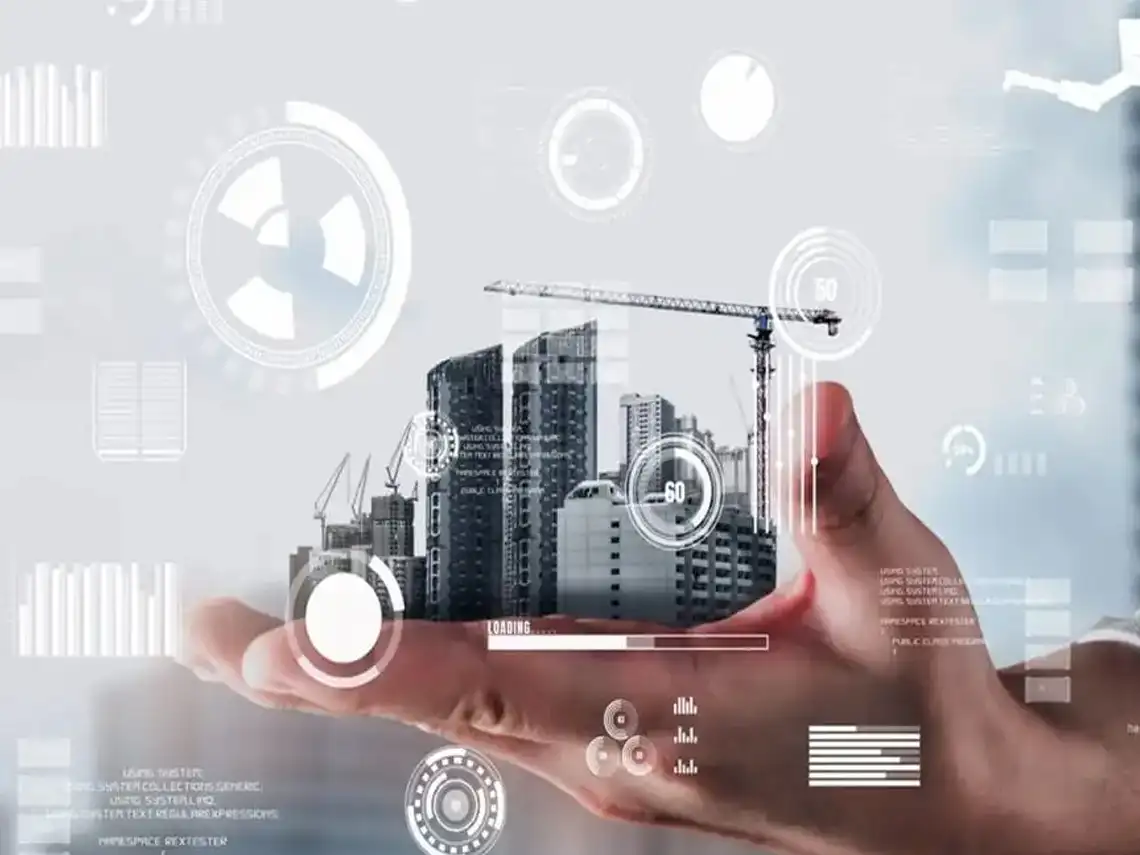
How Strategic Innovation Is Transforming Modern Real Estate Development
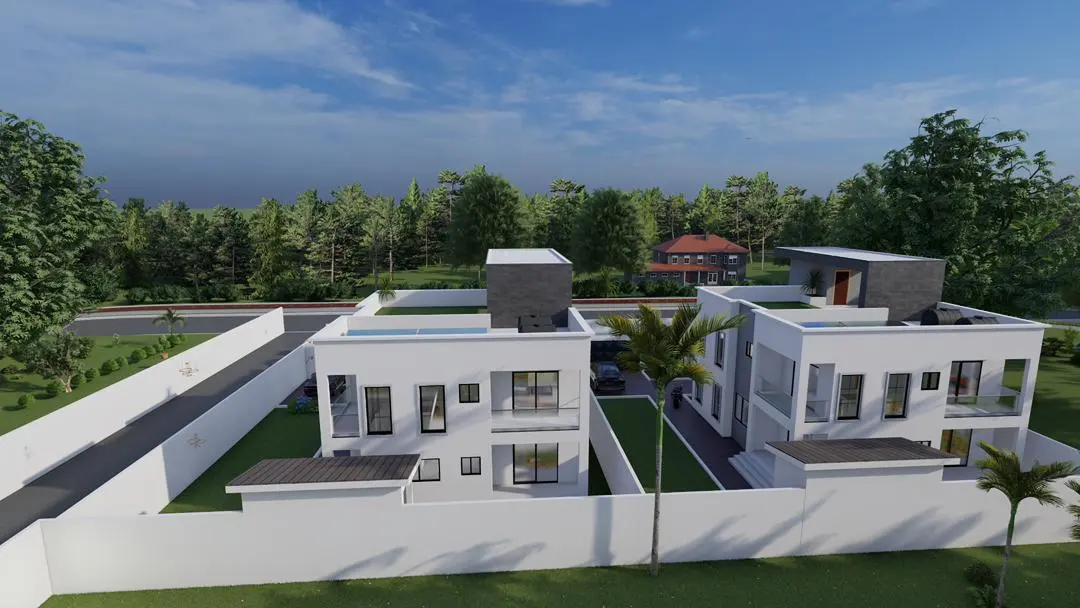
The real estate market is entering a powerful new era shaped by smarter strategies, sustainable practices, and advanced digital solutions. Traditional development models, once driven mainly by experience and manual processes, are giving way to data-driven planning, integrated technology platforms, and environmentally responsible design. Developers who embrace innovation are no longer simply constructing buildings. They are creating long-term value systems that meet the expectations of modern buyers while attracting investors who seek reliability, transparency, and sustainable growth.
In this evolving landscape, strategic innovation is not about adopting every new tool. It is about choosing the right solutions that improve performance, reduce risk, and align projects with future demand.
Building Strategies for Long-Term Success
Modern real estate success depends on the ability to plan with flexibility and precision. Developers now face shifting market trends, regulatory pressures, and increasingly sophisticated customers. Strategic innovation begins with building adaptive planning frameworks that respond to these challenges rather than resisting them.
By combining market research, feasibility modeling, and scenario analysis, companies can evaluate potential projects before committing significant capital. This approach balances financial responsibility with opportunity. It ensures that development strategies are not based on optimism alone, but on measurable indicators such as demographic growth, buyer behavior, and regional infrastructure plans.
When cost efficiency, sustainability, and customer needs are considered together, the result is a portfolio of projects that remain valuable long after completion.
Harnessing Digital Tools for Better Performance
Digital transformation is the operational engine of modern real estate development. Cloud-based platforms, collaborative dashboards, and integrated communication systems have replaced fragmented workflows and manual tracking methods.
These tools allow teams to manage designs, approvals, schedules, and budgets from one shared environment. With real-time data at their fingertips, project managers can identify bottlenecks, track supplier performance, and maintain quality standards without delay.
Technology does not merely make operations faster. It makes them smarter. When data flows seamlessly across departments, decisions become informed, coordination improves, and project outcomes are consistently stronger.
Enhancing Customer Experience Through Smart Solutions
Today’s buyers and investors expect more than a finished property. They expect transparency, responsiveness, and personalized service throughout the development journey.
Smart real estate companies invest in digital communication platforms that provide instant updates, document access, and interactive engagement. Virtual tours, automated reporting, and online service portals allow clients to remain informed and involved at every stage.
This approach builds trust. When customers feel valued and understood, loyalty increases and long-term relationships are formed. Strategic innovation therefore transforms customer experience from a supporting function into a core business advantage.
Sustainable Growth Through Innovation
Sustainability is no longer a future goal. It is a present-day necessity. Strategic innovation enables developers to embed environmental responsibility directly into project design and execution.
Energy-efficient systems, eco-friendly materials, and smart building technologies reduce operating costs while improving property performance. Advanced modeling tools allow teams to simulate energy use, optimize layouts, and assess environmental impact before construction begins.
This proactive approach benefits everyone. Developers lower expenses, investors gain more resilient assets, and communities enjoy healthier, more efficient living environments.
Integrating Supply Chains and Quality Systems
One of the most overlooked areas of innovation is supply chain management. Modern real estate projects involve complex networks of contractors, material suppliers, logistics providers, and regulatory bodies.
Digital systems now allow developers to monitor supplier performance, manage procurement cycles, and enforce quality standards across every phase of development. When these systems are integrated, delays decrease, consistency improves, and overall project reliability increases.
This level of operational maturity creates a development environment that is scalable and prepared for future expansion.
A New Standard for the Future
As technology continues to evolve, the real estate sector must adapt or fall behind. Strategic innovation is not a temporary phase. It is the foundation upon which future success is built.
Developers who combine structured planning with digital intelligence and sustainable principles will lead the industry. Their projects will not only meet present-day expectations but will also remain relevant in a market defined by rapid change.
In the new era of real estate, innovation is no longer optional. It is the defining characteristic of progress, resilience, and long-term value creation.

I really liked the structure of this article. Each section builds on the previous one, making the whole piece satisfying to read.
This article has a nice conversational feel. It is easy to read, but there is still plenty of substance to think about.