

How Smart Digital Strategies Enhance Modern Real Estate Development
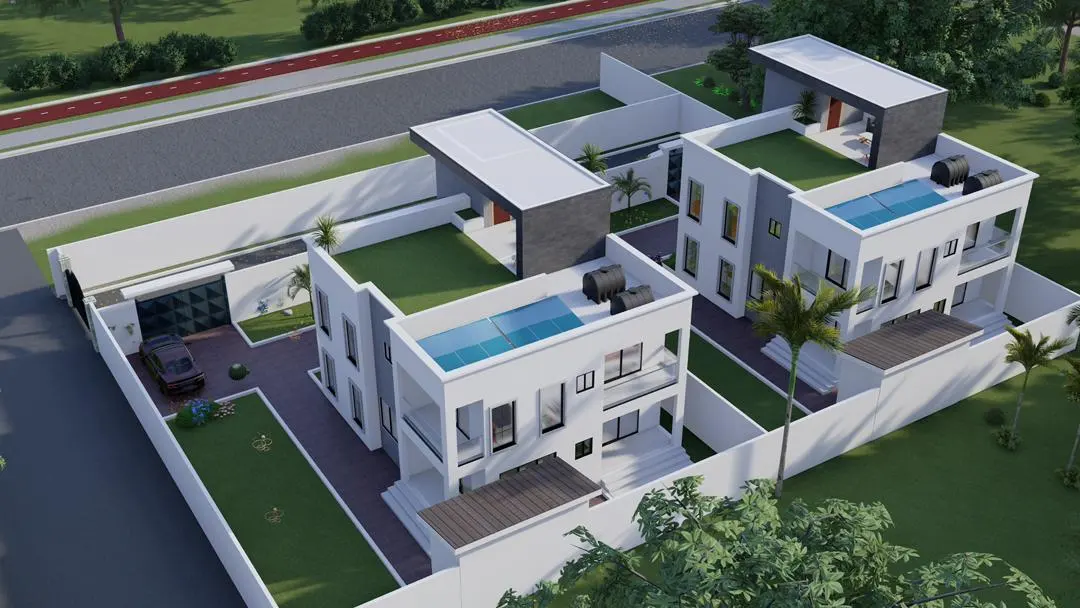
The real estate industry is no longer defined solely by location, construction materials, or traditional market experience. Today, it is shaped by intelligent digital strategies that combine data, technology, sustainability, and customer insight into one cohesive system. In a fast-moving property landscape, successful companies rely on innovative, data-driven approaches to deliver measurable value, maintain competitiveness, and secure long-term growth.
Modern development begins with a deep understanding of market needs. Instead of relying on assumptions, developers now study behavioral data, demographic trends, and financial indicators to identify value-added opportunities. These insights help companies test new concepts, improve project performance, and ensure that investments are both relevant and resilient. By bridging the digital divide through efficient communication systems and analytics-driven decision-making, developers maintain focus on quality, sustainability, and financial stability across every project stage.
Building Smarter, Sustainable Systems
Forward-thinking real estate companies use technology to create connected and environmentally responsible developments. Smart digital platforms integrate design, construction, finance, and operations into one streamlined workflow. From cloud-based project management systems to building performance dashboards, every element contributes to transparency and long-term value creation.
Sustainability is embedded directly into these digital systems. Energy-efficient design tools allow developers to simulate building performance before construction even begins. Material tracking platforms reduce waste and ensure responsible sourcing. Together, these innovations support better planning, faster execution, and seamless coordination across multidisciplinary teams, resulting in projects that are both profitable and environmentally responsible.
Enhancing Customer Experience
The modern buyer is informed, selective, and digitally connected. Customer-centric strategies are now central to real estate success. Properties are no longer marketed solely through brochures and site visits. Instead, digital channels offer virtual tours, interactive property platforms, and transparent documentation that guide customers through every phase of their journey.
By creating open communication channels and improving service frameworks, developers strengthen trust with buyers and investors alike. Automated updates, digital contracts, and accessible project information reduce uncertainty and improve satisfaction. From initial inquiry to final handover, the customer experience becomes smoother, faster, and more reliable, encouraging loyalty and long-term relationships.
Global Standards and Scalable Solutions
As real estate markets expand across borders, adherence to global quality standards becomes essential. Smart digital strategies enable developers to implement reliable methodologies that ensure consistent performance regardless of project scale or location.
Standardized workflows, integrated quality control systems, and real-time reporting platforms allow companies to maintain accuracy, efficiency, and compliance across multiple developments. Strong digital supply chain management ensures that materials, schedules, and budgets remain aligned, creating scalable solutions that deliver lasting benefits and meet international performance expectations.
Driving Growth Through Innovation
Innovation has become the backbone of modern real estate development. What once depended mainly on experience and manual coordination is now guided by intelligent systems, advanced materials, and interconnected digital platforms that reshape every stage of the project lifecycle. From the earliest feasibility studies to final handover, technology is no longer an accessory. It is the framework through which ideas become profitable, sustainable developments.
One of the most visible areas of innovation is construction methodology. Eco-friendly materials, modular components, and energy-efficient building systems are now integrated into core project planning. These solutions reduce waste, lower operating costs, and create healthier environments for residents and businesses alike. Developers who adopt green technologies not only meet regulatory expectations but also respond to growing demand from buyers who value sustainability as part of their lifestyle.
At the operational level, digital platforms have transformed how projects are managed. Cloud-based systems allow teams to collaborate across locations, share real-time updates, and track performance with precision. Automated scheduling tools minimize downtime, while data dashboards provide instant visibility into budgets, timelines, and resource allocation. This clarity empowers managers to make confident decisions, respond to challenges quickly, and maintain consistent quality standards.
Risk management has also evolved through innovation. Predictive analytics help developers identify potential delays, cost overruns, or supply chain disruptions before they escalate. By monitoring trends and patterns, companies can prepare alternative strategies that protect both profitability and reputation. This proactive mindset replaces reactive problem-solving with structured, informed action.
Most importantly, innovation changes how value is defined. Quality is no longer measured only by the strength of concrete or the size of a property. It is measured by how well a development adapts to future needs, how responsibly it interacts with the environment, and how effectively it serves its community. Developers who embrace smart digital strategies do more than improve efficiency. They create projects that are resilient, adaptable, and aligned with the expectations of a rapidly evolving world.


Leave a comment